



By Damian Jam
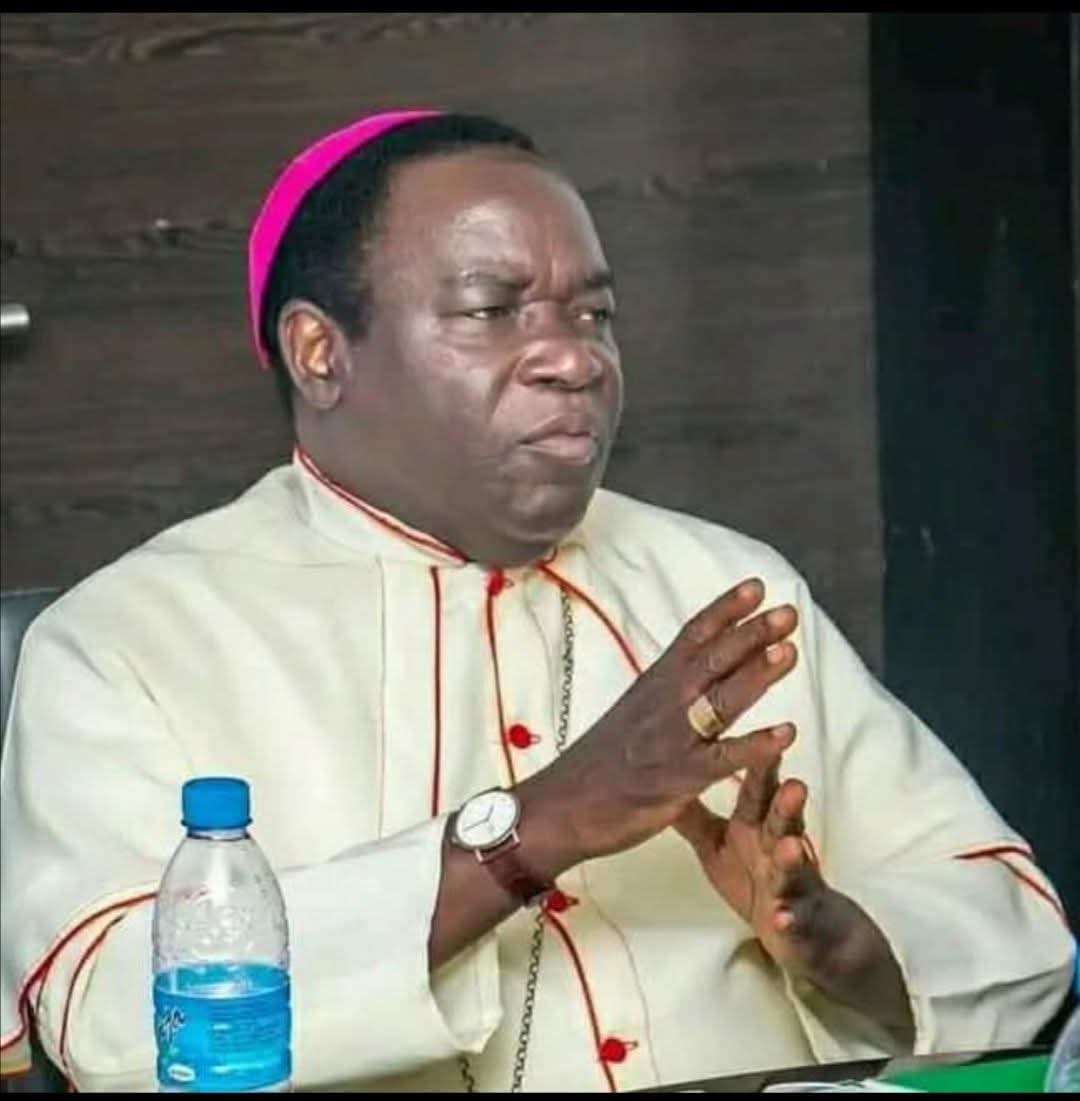
For more than four decades, Bishop Matthew Hassan Kukah has stood as one of Nigeria’s most fearless moral voices. From the military era to democratic failures, he spoke truth without fear, earning respect across religious, ethnic, and political divides.
But since he accepted an appointment under the Tinubu administration, many Nigerians believe something has changed.
His silence at crucial national moments has raised questions, doubts, and lessons worth examining.
At a time when Bishop Wilfred Chirkpa Anagbe CMF of Makurdi has persistently cried out about killings, mass displacement, and attacks in Benue communities, many expected Bishop Mathew Kukah himself a son of Southern Kaduna, a region scarred by violence to stand openly beside his brother-bishop.
Instead, his perceived reluctance to strongly amplify these concerns has created a painful vacuum.
Critics argue that his voice, once thunderous against injustice, now feels muted. And when a man of such moral authority becomes silent, the consequences are profound.
First, the oppressed feel abandoned. Second, the aggressors feel emboldened. Then, ultimately the moral clarity of the Church appears blurred. The nation now loses one of its most consistent conscience-keepers.
Bishop Kukah has grown more cautious, choosing words that lean toward preserving national stability rather than exposing deep systemic failures. Critics interpret this as an attempt to avoid contradicting the government he now collaborates with.
This perception, whether accurate or not, weakens the moral neutrality expected of clergy who speak for the voiceless. Public trust suffers when a champion of justice appears to adjust his tone to accommodate political friendships.
Every man is judged by the consistency of his voice. When Bishop Kukah once spoke boldly under governments that were more hostile to criticism, but now appears restrained, many wonder: Has political involvement softened his prophetic edge?
Is he afraid of losing influence at the table of power? Or is he navigating a delicate balance unknown to outsiders? Whatever the reason, the effect remains that people read silence as compromise.
The lesson is clear. The nation still needs the +Kukah who confronted military dictators, who spoke without prejudice, who defended victims with fire in his voice.
Nigeria does not need a government public relations officer; it needs a prophetic conscience. Bishop Kukah remains a respected elder, a scholar, and a builder of dialogue.
But the country yearns for the return of his uncompromising courage, the voice that once shook the foundations of power.
