



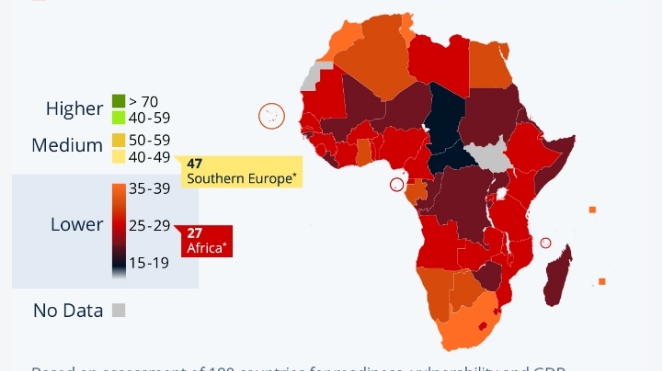
African nations face severe climate impacts—including droughts, floods, heatwaves, and erratic rainfall—while pushing for greater adaptation finance and leading regional resilience programs.
At COP31 in Turkey in November 2026, African negotiators pressed for tripling adaptation finance by 2035 and preparing ahead of COP32, which is set to take place in Ethiopia.
Somalia, Ethiopia and Djibouti shared progress and priorities for expanding access to sustainable cooling, reducing emissions and strengthening climate resilience across the Horn of Africa.
Somalia highlighted its efforts to translate commitments under its National Climate Plan (NDC) into action through a National Cooling Action Plan developed with UNEP support, and called for NDC implementation to begin immediately after COP31.
The Swiss Agency for Development and Cooperation (SDC) and UNEP outlined next steps for the emerging BeCool Africa programme, focusing on supporting implementation in Somalia, Ethiopia and Djibouti.
Ethiopia signalled its intention to champion sustainable cooling at COP32, including by integrating cooling into its new NDC and long-term climate strategy.
The discussions highlighted opportunities to strengthen regional cooperation, mobilize support and turn national cooling commitments into practical solutions that protect people from rising temperatures.
Background
As temperatures rise and demand for cooling grows, countries across the Horn of Africa are working to integrate sustainable cooling into their national climate and development priorities.
This session will highlight Somalia’s experience in translating cooling-related commitments under its Nationally Determined Contributions (NDCs) and the Global Cooling Pledge into concrete action, through the development of its National Cooling Action Plan (NCAP), with support from UNEP.
It will explore the challenges and lessons learned from this process, drawing also on Djibouti’s experience in advancing national cooling action, and their relevance for other countries in the region.
Building on these presentations, a panel discussion will explore the preparation of the emerging BeCool Africa programme, being developed in partnership with UNEP, and its potential to support countries in moving from commitments and national cooling plans to implementation.
Perspectives from Somalia and Ethiopia will help identify national implementation priorities, support needs and opportunities for regional cooperation to advance equitable access to sustainable cooling, reduce emissions, strengthen climate resilience and support green economic development across the Horn of Africa.
Objectives
Lessons shared from Somalia and Djibouti’s experiences in translating cooling-related commitments into national cooling action.
Identification of key challenges, implementation barriers and opportunities for moving from cooling policies and plans to action.
Identification of priority support needs and opportunities for regional cooperation through the emerging BeCool Africa programme in Somalia and Ethiopia.
www.unep.com
