


By Miriam Humbe
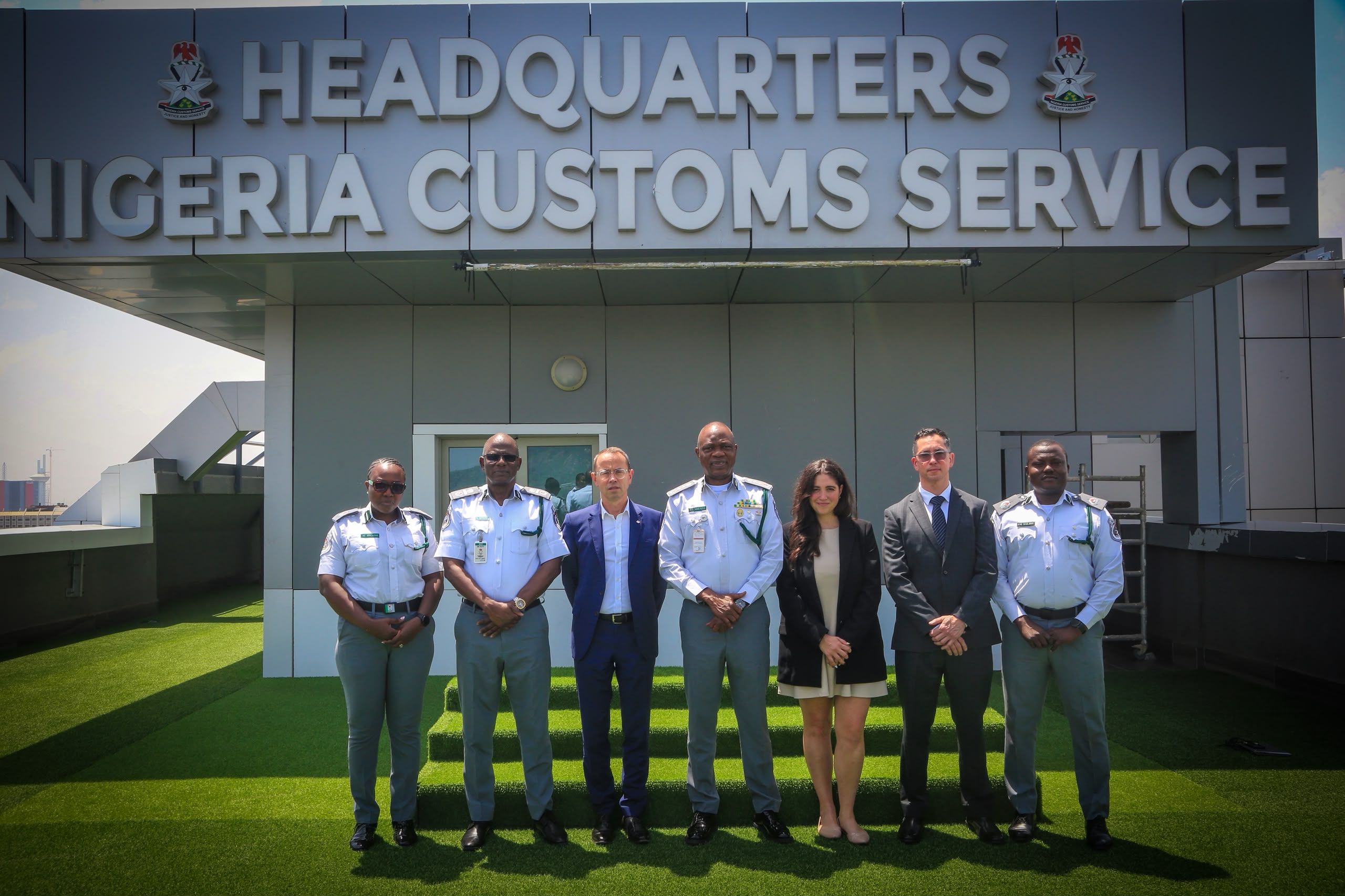
The Nigeria Customs Service (NCS) on Monday, 19 October 2026, inaugurated the World Customs Organisation (WCO) Anti-Money Laundering and Countering the Financing of Terrorism (AML/CFT) Mentoring Mission at its Headquarters in Maitama, Abuja.
The mission, themed: “Strengthening Nigeria Customs Service Capabilities to Effectively Detect and Disrupt Illicit Financial Flows,” aims to enhance the Service’s capacity to combat cross-border financial crimes.
Funded by the United States Department of State, the four-week mission will run from 18 October to 13 November 2026.
Activities will include visits to selected Customs formations in Lagos and key allied agencies, as well as capacity-building training for officers in Lagos and Abuja.
The Comptroller-General of Customs (CGC), Adewale Adeniyi, highlighted the importance of coordinated efforts in combating money laundering and the financing of terrorism, recalling the reforms undertaken by government agencies that led to Nigeria’s exit from the Financial Action Task Force (FATF) grey list in 2025.
The CGC stressed the need for sustained collaboration among relevant agencies, noting that progress in one institution must be matched by improvements in others.
He expressed confidence in the officers’ commitment to the exercise, saying, “Competent officers who have passion for the job will give you all the cooperation to ensure we learn from other Customs administrations regarding what we are doing and how we can do better.”
The Assistant Comptroller-General of Customs in charge of Strategic Research and Policy (S&RP), Nafiu Isiaku, introduced the WCO delegation comprising Jorge Lasmar, Lisa Vallese and Laurent Szymkowiak.
Speaking on behalf of the delegation, Lasmar clarified targeted at improving the Service’s capacity and effectiveness.
“The mission is not an assessment of Customs operations, but an engagement aimed at further strengthening the capacity of the Nigeria Customs Service.” He said.
Lasmar thanked the NCS and the CGC for their guidance and cooperation, assuring that the team would submit a comprehensive report at the end of the mission.
The engagement is expected to support the Service’s efforts to strengthen its capacity to detect and disrupt illicit financial flows through improved expertise and collaboration with relevant agencies.
