


By Dooyum Naadzenga
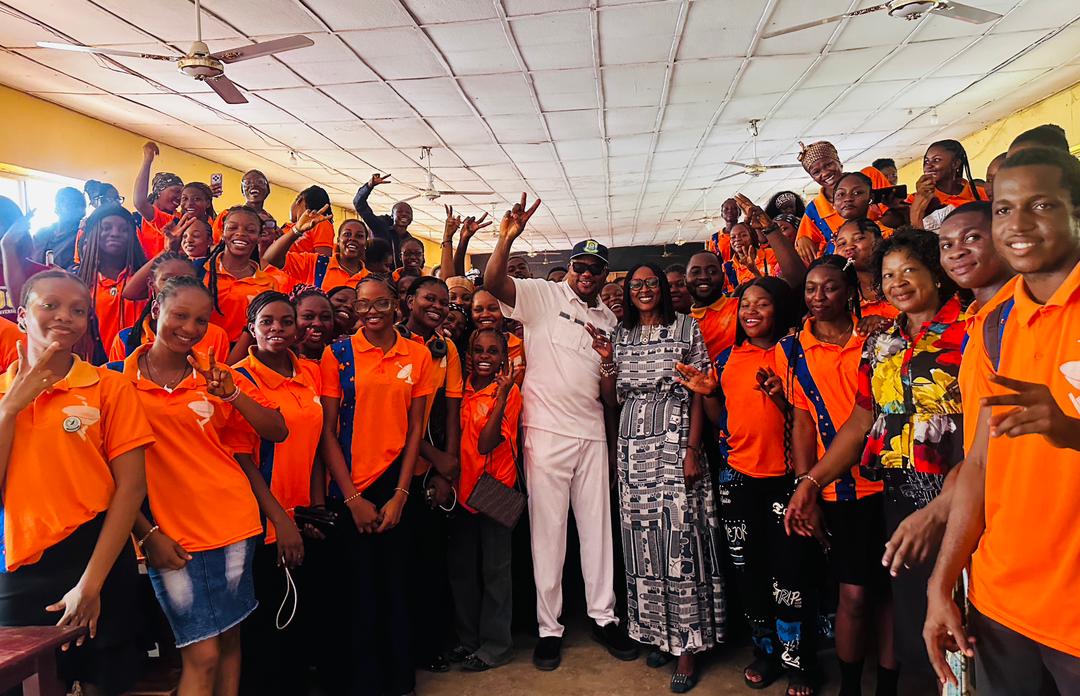
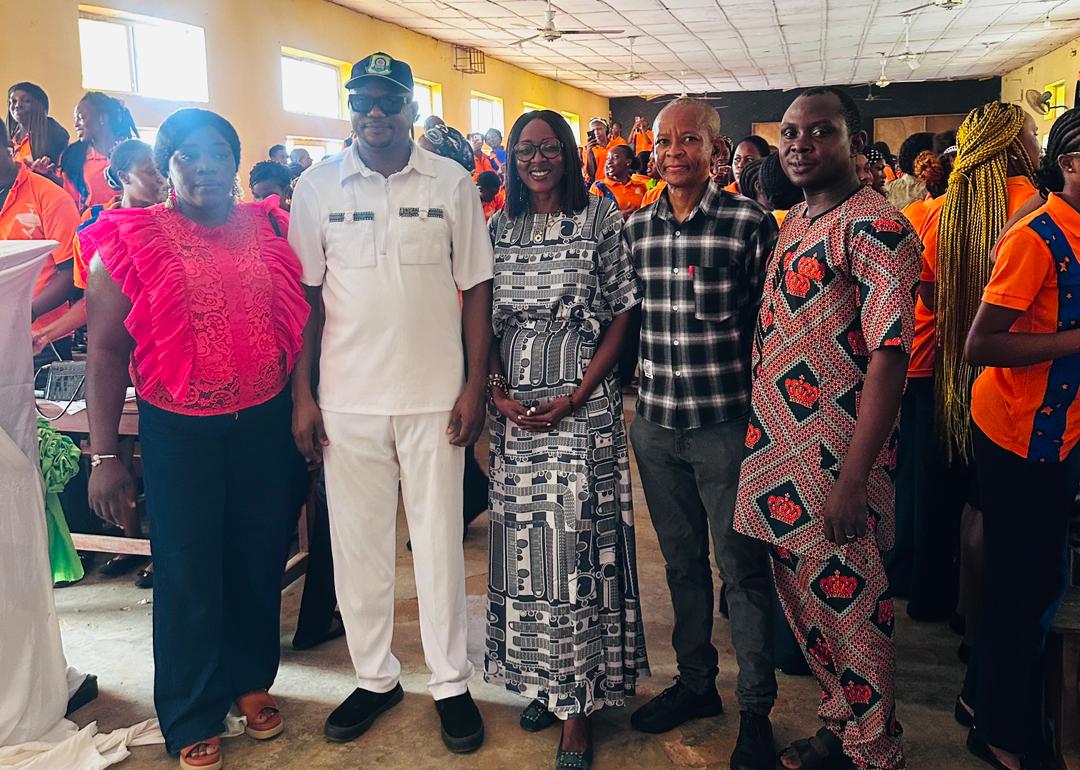
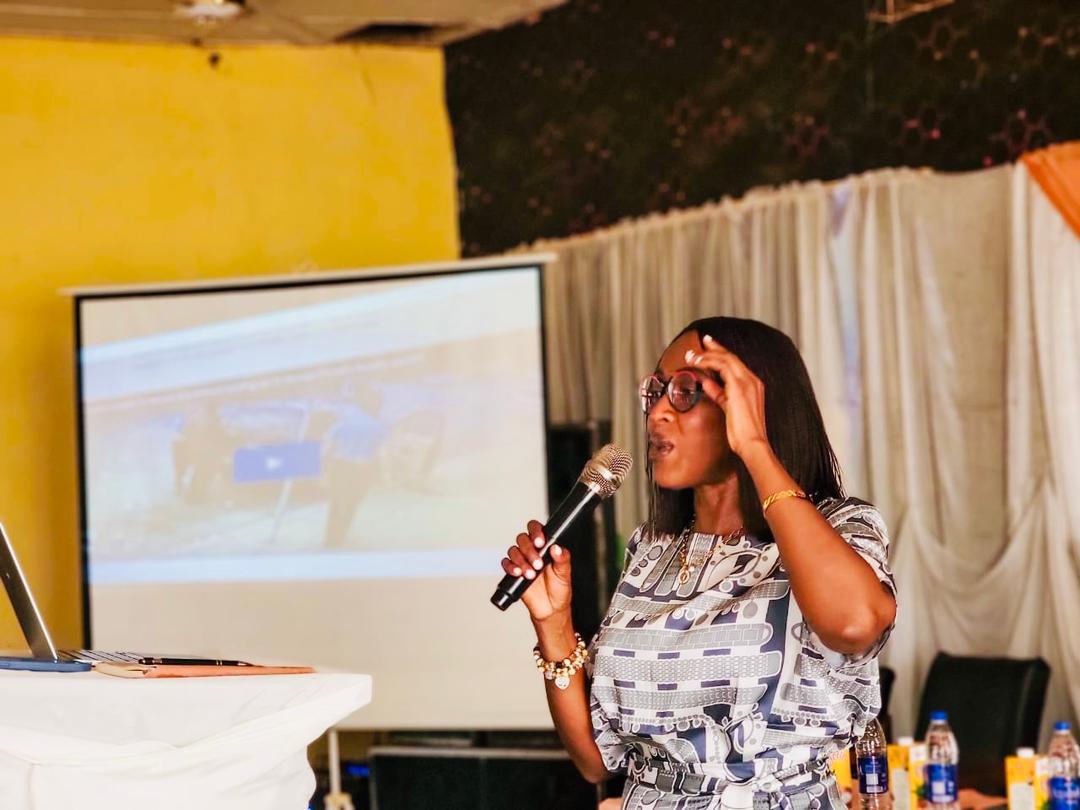
Students of Mass Communication at Chukwuemeka Odumegwu Ojukwu University, Igbariam Campus, were treated to a thought-provoking lecture on the power and responsibility of storytelling when Arise analyst, anchor and journalist, Dr. Constance Ikokwu, delivered a lecture titled “Stories That Matter: Media, Power, Responsibility” on February 21, 2026.
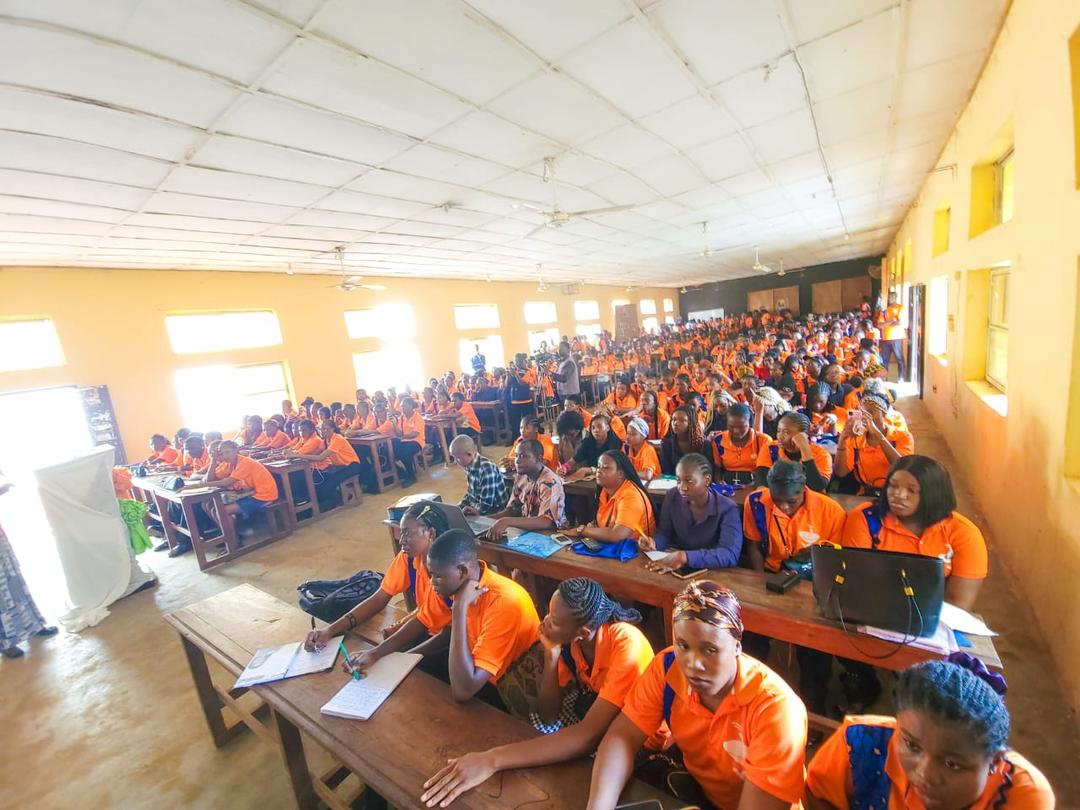
Addressing a packed auditorium with over 400 students, Dr. Ikokwu challenged students to rethink journalism beyond the routine reporting of events, insisting that stories shape how societies understand power, injustice, conflict, identity and even hope.
“A story is not just a collection of facts,” she told the audience. “It is a narrative that carries a message.” For her, journalism is not merely a profession but a civic duty, because the stories journalists choose to tell — or ignore — have real consequences.
“What is reported today, she noted, could influence how future generations interpret a crisis, a leader or even an entire nation.
“In framing issues, journalists shape public perception and reaction, and history itself is often defined by the stories that are preserved and those that are forgotten.”
Drawing from history, Dr. Ikokwu cited the 1994 genocide in Rwanda as a stark example of media power gone wrong.
During that tragic period, radio stations were deployed to spread hatred and propaganda, inflaming long-standing tensions between the Hutu majority and Tutsi minority — tensions deepened by colonial policies that had elevated one group over the other.
Extremist broadcasts labeled Tutsis as enemies and encouraged violence, leading to the killing of more than 800,000 people within about 100 days and the displacement of millions.
The tragedy, she said, demonstrates how media, when used irresponsibly, can fuel violence instead of fostering understanding.
Yet, she stressed, media can also drive justice and social awareness. She referenced the 2020 killing of George Floyd in the United States, which might have remained a local incident but for the viral video and sustained coverage by mainstream and social media.
Persistent reporting transformed the event into a global movement against racial injustice and police brutality, sparking protests and policy debates worldwide.
In a similar vein, she pointed to Nigeria’s #EndSARS protests in 2020, where years of complaints about police brutality only gained sustained national and international attention after social media documentation and consistent newsroom amplification forced the issue onto the public agenda.
The episode, she said, illustrates agenda-setting in action: while the media may not always tell people what to think, it often tells them what to think about — and silence can be as powerful as coverage.
Dr. Ikokwu also emphasized journalism’s duty to give voice to the voiceless. In many societies, powerful individuals and institutions already possess platforms to shape narratives in their favour, while displaced persons, victims of conflict and vulnerable communities often remain unheard.
Investigative reports on internally displaced persons in Nigeria, she observed, have exposed hunger, corruption and poor living conditions in camps, compelling official responses and public attention.
In such moments, journalism becomes a bridge between forgotten communities and the wider society.
Describing the media as the Fourth Estate, she underscored its role as a check on power, standing alongside the executive, legislature and judiciary as a pillar of democracy.
Investigative journalism that exposes bribery, academic corruption and exploitation in institutions, she noted, forces accountability and demands reform.
However, she cautioned that the same power can become destructive if abused.
The 2003 invasion of Iraq, justified partly by widely reported but ultimately false claims of weapons of mass destruction, remains a sobering reminder of the consequences of unverified information. Closer to home, she warned that misinformation during elections — including false results, manipulated videos and ethnic propaganda — can inflame tensions and deepen divisions.
“In moments of crisis, accuracy must come before speed,” she admonished, urging students to prioritize context over sensationalism and humanity over the pursuit of clicks.
“She observed that the digital age has further complicated journalism’s responsibilities, as social media has removed traditional gatekeepers and accelerated the spread of information — and misinformation. Journalists now compete with influencers and algorithms that reward virality, yet the fundamental principles remain unchanged: verify information, provide context and act with integrity.
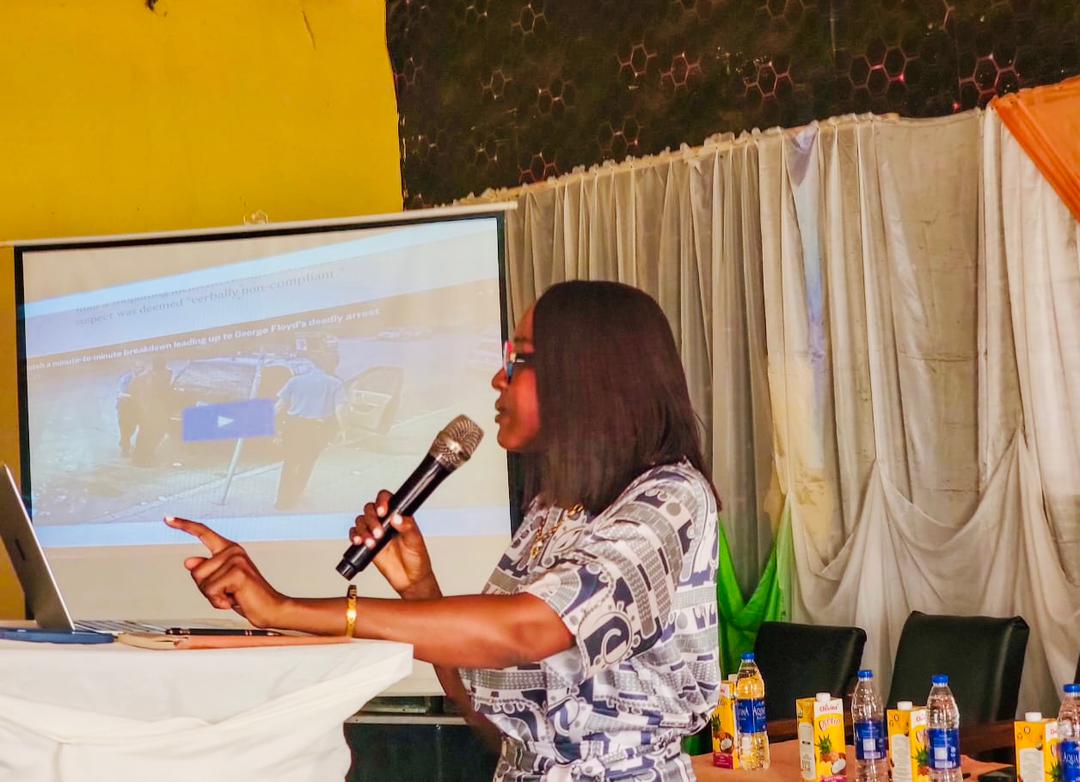
“Journalists are moral actors,” she said, noting that every headline, photograph and editorial angle carries ethical weight.
Beyond theory, Dr. Ikokwu called for stronger bridges between the classroom and the newsroom, arguing that lectures by practicing journalists provide students with real-world insights and exposure to contemporary industry challenges that textbooks alone cannot offer.
In her closing remarks, she urged students to reflect on the kind of communicators they aspire to become. “Will you chase relevance or responsibility? Will you amplify truth or echo power?” she asked.
Stories, she concluded, will always shape societies, influence policy and sometimes alter the course of history.
Those who tell them therefore carry immense power — a power that must be exercised wisely, ethically and in service of the public good.
