



By Luter Orkar
In the lush, fertile heart of Benue State, Nigeria’s “Food Basket,” abundance tells only half the story.
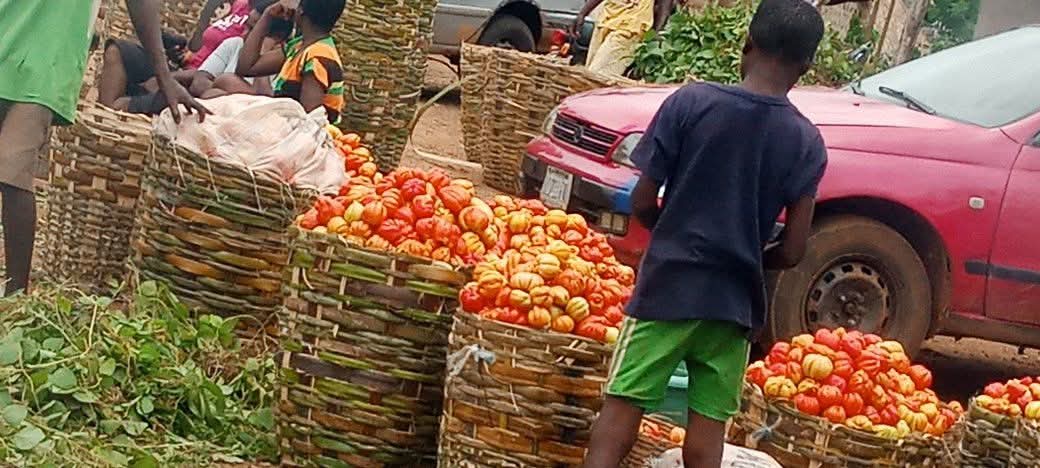
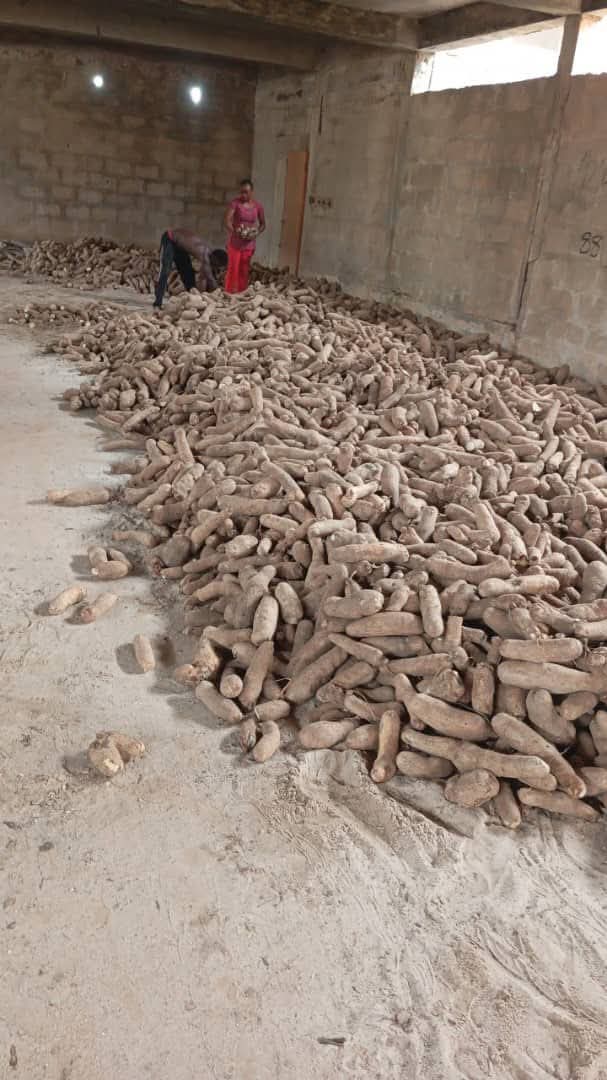
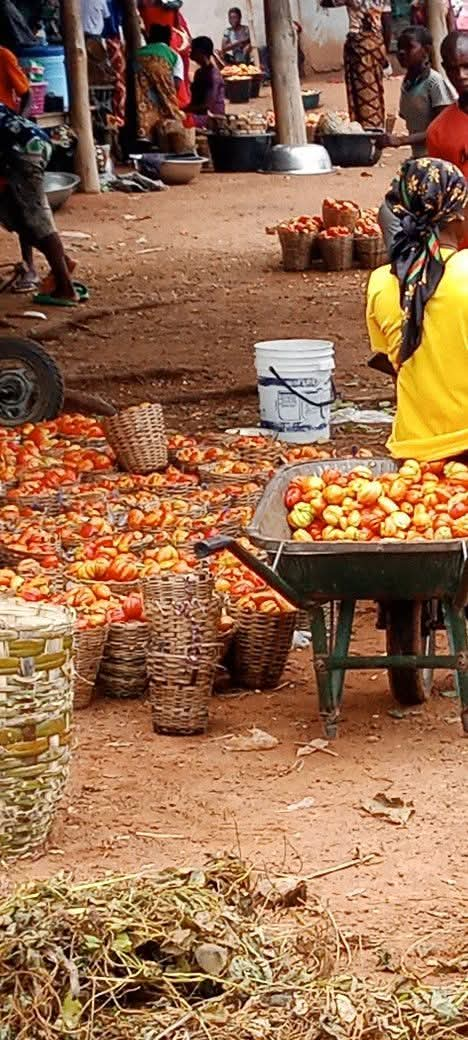
Every harvest season, yam tubers pile high along dusty village roads, mangoes rot under trees, and tomatoes wither in open markets.
For residents like me, who split time between Abuja’s bustle and our rural roots, this sight hits hard.
Benue produces food not even at full capacity, yet post-harvest losses devour up to 50% of it, according to the Food and Agriculture Organization (FAO).
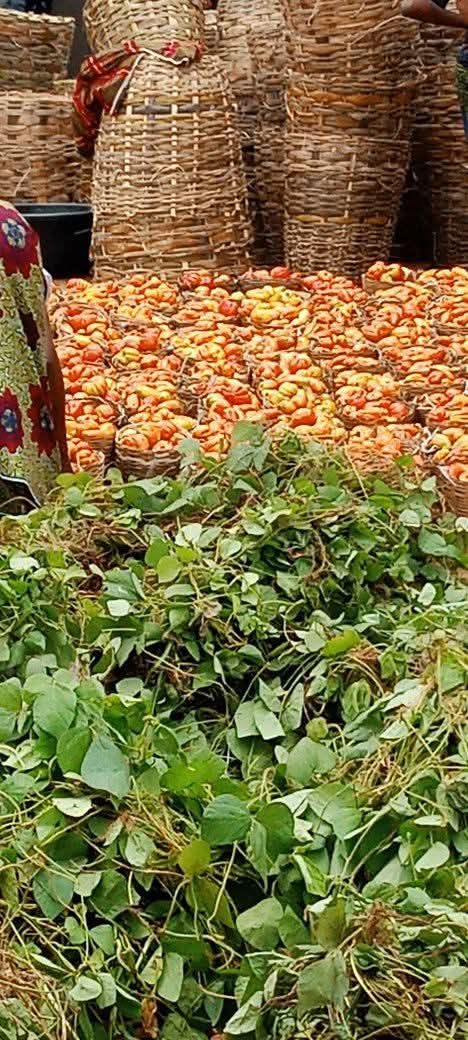
That’s not just wasted calories—it’s squandered income, shattered livelihoods, and missed opportunities for rural transformation.
A drive through any village in Gwer West, Logo, or Vandeikya, and the evidence mounts. Our mothers rise before dawn, hacking at cassava roots or plucking peppers under a relentless sun. Brothers haul yam sacks on battered bicycles, sisters sort mangoes by hand.
Their toil yields miracles from red soil, but without basic interventions, it ends in tragedy. Rain soaks unsheltered grains; pests ravage unsorted produce; poor roads delay market delivery. A single rainstorm can wipe out a season’s labor.
Benue’s post-harvest loss rate hovers around 40-60% for staples like yam, cassava, and fruits—far above the global average of 14%, per a 2023 Nigerian Institute for Oil Palm Research study. This isn’t fate; it’s a failure of value addition.
The fix stares us in the face: simple, scalable processing. Drying, sorting, cleaning, and milling—flouring, as locals call it—could triple incomes overnight.
Take mangoes, whose season ramps up now through June. A farmer harvests 1,000 naira worth of fresh fruit. Left unchecked, most spoils. But dry it into chips, and value jumps to 10,000-20,000 naira per batch.
Process further into jam, concentrate, or powder, and returns soar. Cassava becomes garri flour; tomatoes and peppers turn into durable seasonings; sweet potatoes yield nutrient-packed alternatives to wheat flour.
These aren’t high-tech dreams—they’re low-cost realities powered by solar dryers (under 500,000 naira to install) and community mills.
Imagine small-scale processing hubs in every council ward—one per crop belt. In mango-rich Katsina-Ala, facilities flask fruits for export; in yam-heavy Gboko, Ukum amd Logo, sorters grade tubers for urban markets.
SMEs could lead: a women’s cooperative invests 2 million naira in shared equipment, serving 50 farmers. Yields rise, waste drops 70%, per World Bank pilots in similar African regions.
Link these to markets via cooperatives, digital apps like FarmCrowdy, or Abuja’s supermarkets, and rural economies ignite. Jobs multiply—processors, packers, transporters—lifting families from subsistence to surplus.This vision isn’t hypothetical; local champions are already proving it.
A few weeks ago, I rang Fidelia Adasu Agera, a Makurdi-based processor, desperate for dried tomatoes and peppers to stock my family’s kitchen. She delivered perfection: vibrant, flavorful flakes that rehydrate like fresh, minus the rot risk.
Fidelia’s solar dryer hums in her backyard, turning seasonal gluts into year-round gold. “Waste hurts everyone,” she told me over the phone. “Drying saves my harvest and feeds families affordably.”
Her operation, started with a 300,000-naira loan from a microfinance bank, now supplies hotels and households across Benue.
Then there’s Joy D. Shaapera, whose flour empire combats malnutrition head-on. From her base in Gboko, Joy mills benniseed, soybeans, and plantain into nutrient-dense blends—perfect for weaning babies or diabetic diets.
“Flour from waste? It’s nutrition from nothing,” she laughs. Her products, sold in neat 1kg packs, fetch 5,000 naira each, up from raw materials worth a fraction. Joy trains women groups, scaling her model village by village.
My cousins Tiza Shiekuma and his wife in Vandeikya took it further with sweet potato flour. Their first batch hooked me—milder than cassava, richer in vitamins, ideal for swallows or baking. “No more rotting tubers,” Tiza says. “We mill what others discard.”
Davyd Tondo pushes garri flour, finely ground for porridges that urban millennials crave. These aren’t outliers; shoutouts go to Omorr processors turning rice husks into animal feed, and emerging mango jam makers in Ushongo.
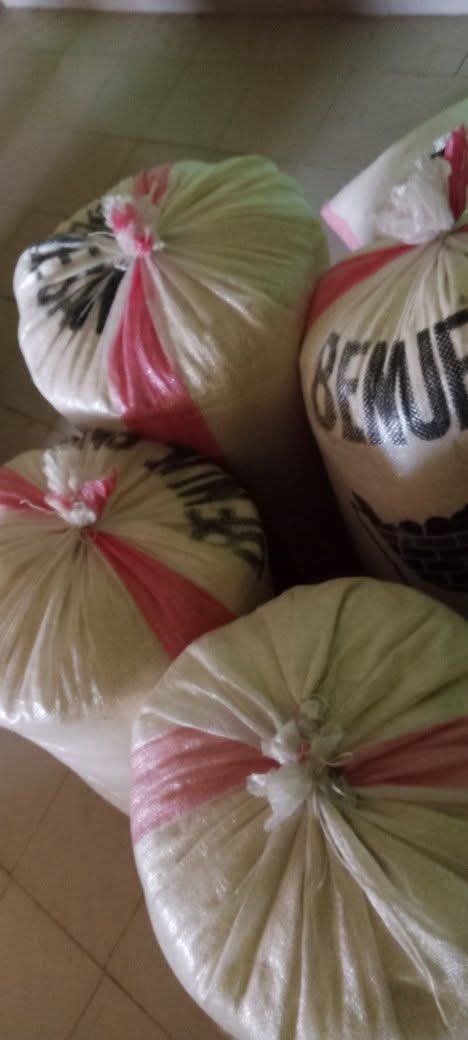
They’re informal warriors against waste, but they need amplification. Government and partners must step up. Benue’s Ministry of Agriculture could map “processing wards,” subsidizing solar kits via the Anchor Borrowers’ Programme.
Private players like Dangote or Flour Mills Nigeria might invest in collection centers, echoing Olam’s rice successes in Nasarawa.
NGOs such as Sasakawa Africa Association already train on hermetic storage bags that cut losses by 90%. Digital tools seal the chain: apps like Thrive Agric connect processors to buyers, while blockchain tracks quality for exports.
Challenges persist—erratic power, weak roads, farmer illiteracy on hygiene. But solutions scale small. A 1-million-naira hub per ward serves 200 farmers, generating 50 million naira annually in value added, per economic modeling from the International Institute of Tropical Agriculture (IITA).
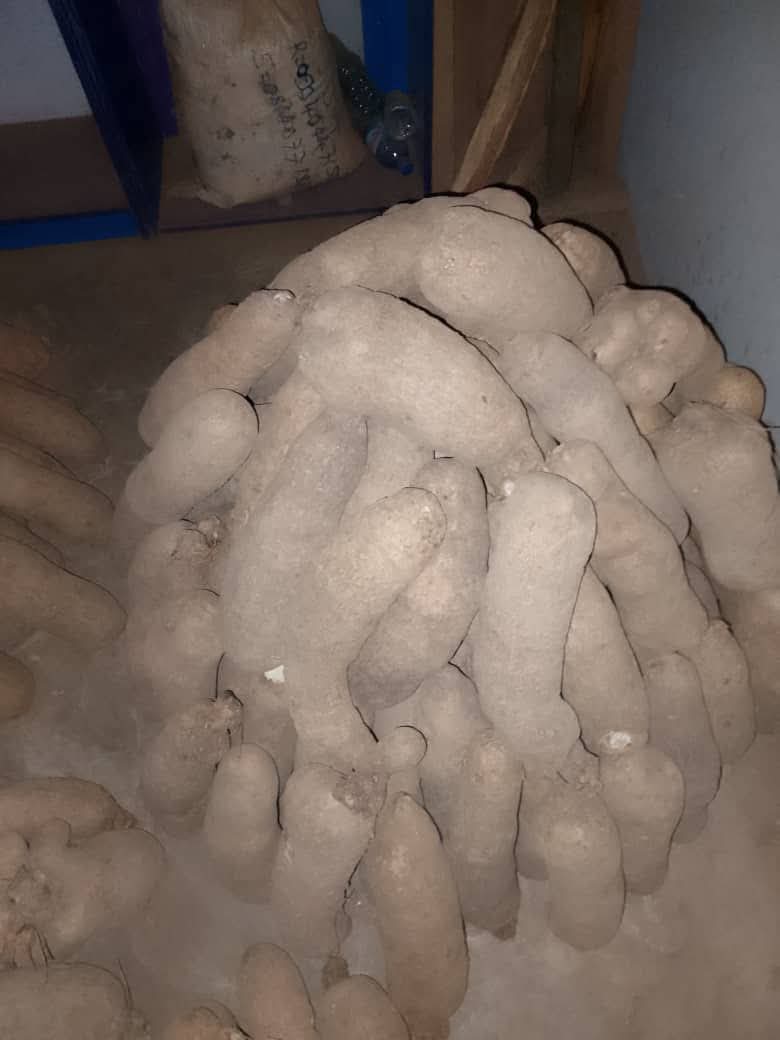
Women, who handle 80% of post-harvest tasks, gain most: empowered with skills and credit, they rewrite rural narratives.Benue’s waste is our world’s warning—and opportunity.
Untapped value chains could add billions to Nigeria’s GDP, per a 2024 African Development Bank report. For villagers toiling under the sun, it’s personal: dignity, not despair.
Support Fidelia, Joy, Tiza—buy their products, share their stories. Demand ward processors from your local government. The mangoes ripening now won’t wait. Turn waste to wealth, one dried flake at a time. Benue’s feast awaits.
Luter Orkar- a humanitarian and Development Expert, writes from Makurdi, Benue State
