



By Miriam Humbe
Minister of Aviation and Aerospace Development, Festus Keyamo SAN has said that normal annual rainfall amount is anticipated in most parts of Nigeria compared to the long-term average.
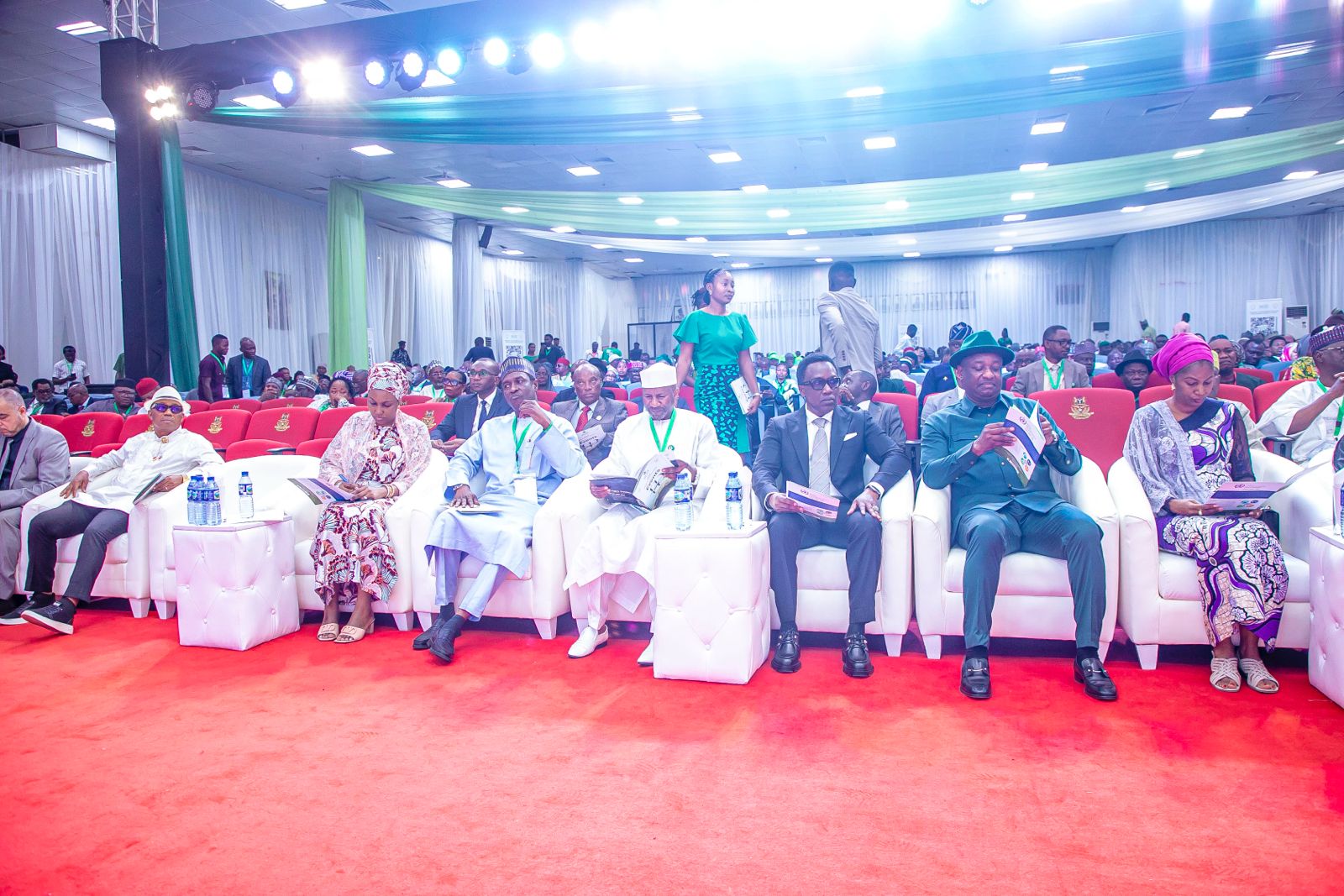
The Minister said this in a keynote address at the Nigerian Meteorological Agency, NiMet’s 2026 Seasonal and Climate Prediction, (SCP) event which held in Abuja on Tuesday, February 10.
The Seasonal Climate Prediction provides comprehensive climate forecasts to guide agricultural planning, water resource management, and disaster preparedness across sectors of the Nigerian economy.
The SCP also gives the outlook of various climate variables, such as the year’s rainfall and temperature patterns in Nigeria.
The 2026 SCP was themed: Climate Science for Sustainable Development.
According to the prediction,
early onset is expected in Bayelsa, Rivers, Akwa Ibom, Cross River, Benue, Kogi, Nasarawa, Oyo, and parts of Kebbi, Niger, Jigawa, Katsina, Kano, Adamawa, and Taraba States. While a late onset is expected over Borno State.
Rainfall cessation is anticipated to be earlier than normal in parts of Ogun, Osun, Ondo, Imo, Rivers, Akwa Ibom, Kogi and Niger States. However, a delayed end of season is expected in Lagos, Ogun, Anambra, Enugu, Cross River, Benue, Nasarawa and Kaduna States.
A longer-than-normal length of rainy season is expected in Lagos, Benue, Enugu, Ebonyi, Ogun, Oyo, Nasarawa, Anambra, Kwara, Kebbi, Kaduna, Gombe and Taraba States.
Whereas, parts of Borno, Yobe and Niger States are expected to have a shorter-than-normal length of rainy season.
Above-normal rainfall is expected in Borno, Sokoto, Kebbi, Kaduna, Enugu, Cross River, Abia, Ebonyi, Akwa Ibom States, and the Federal Capital Territory; while in parts of Katsina, Zamfara, Kwara, Oyo, and Ogun States, below-normal rainfall is expected.
During the season of March to May, severe dry spells exceeding 15 days are likely in parts of Oyo and Ogun States, while moderate dry spells are expected over Ekiti, Kogi, Osun, Ondo, Ogun, Edo, Ebonyi, Abia, Cross River, and Delta states, as well as parts of Kogi and Kwara states.
Furthermore, during the June-July-August season, a severe dry spell that may last up to 21 days is predicted for parts of Bauchi, Borno, Gombe, Jigawa, Katsina, Kano, Kebbi, Kwara, Nasarawa, Niger, Oyo, Plateau, Sokoto, Yobe, and Zamfara states.
The Little Dry Season (LDS), also known as ‘August Break,’ is predicted to begin by late July and would be severe and prolonged over Lagos, Ogun, Ekiti and parts of Oyo States.
The number of days with little or no rainfall will range between 28 and 40 days. A moderate LDS effect is expected over Ondo, parts of Kwara and Edo States.
Both daytime and nighttime temperatures are predicted to be warmer than the long-term average over most parts of the country in January, February, March, and May 2026.
The Minister warned those engaged in rainfed agriculture and other rainfall-dependent activities in Nigeria should refer to the predicted onset dates in the SCP or consult NiMet for proper guidance.
Goodwill messages poured in, beginning from the Permanent Secretary, Federal Ministry of Aviation and Aerospace to NiMet’s foreign partners, including the Secretary General, WMO, Prof. Celeste Saulo.
Testimonials also poured in from members of the All Farmers Association of Nigeria, telling their stories on the efficacy of the NiMet SCP in various Nigerian languages.
As NiMet marked 140 years of service to Nigeria, past Director Generals of the Agency were recognised and appreciated.
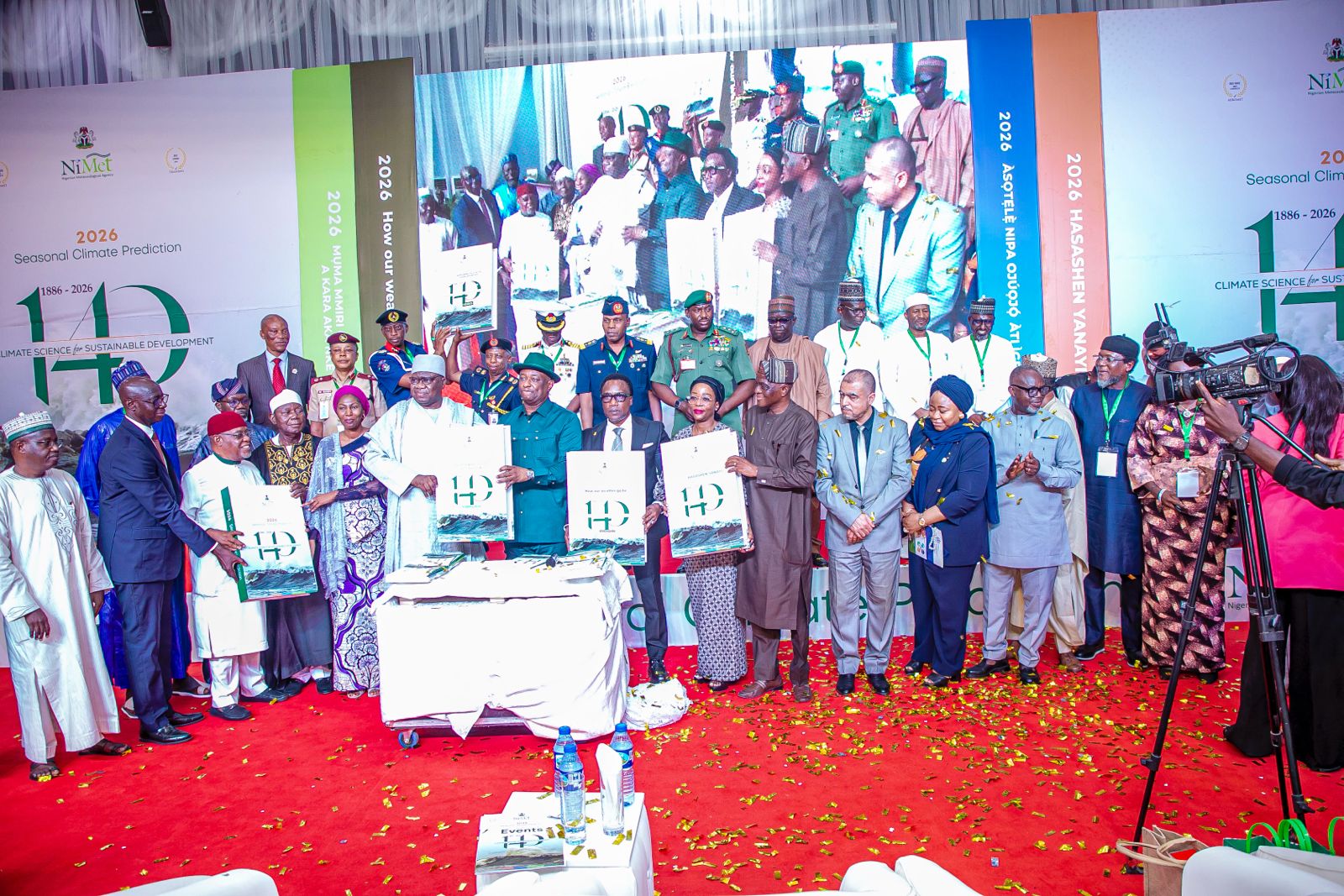
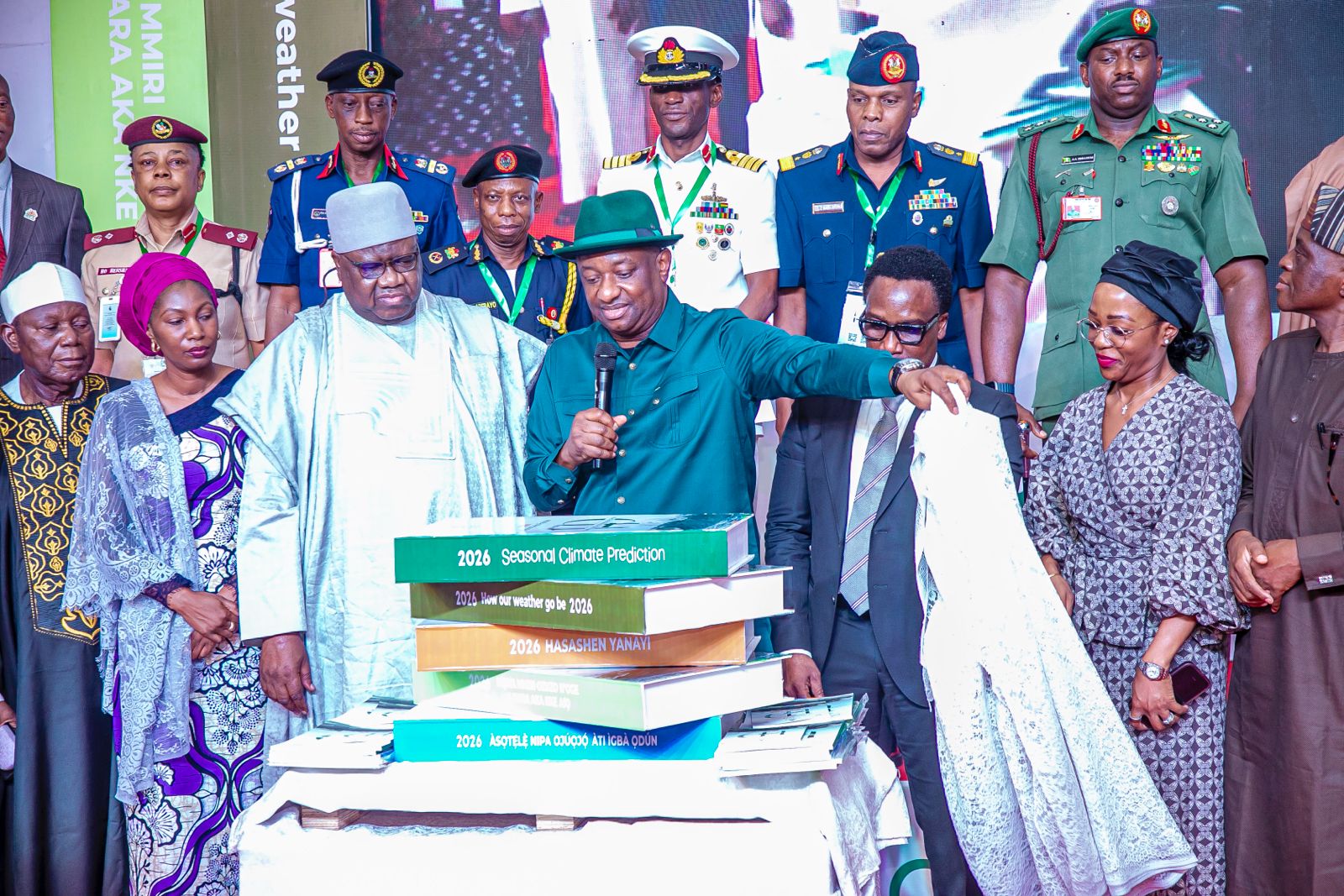
Highlights of the event was the official launch of the SCP report by the Minister of Aviation and Aerospace, and supported by the Director General of NiMet, Prof Charles Anosike and stakeholders.
