



By Miriam Humbe
The Defence Headquarters (DHQ) has revealed that troops of the Armed Forces of Nigeria neutralised 662 terrorists and other criminal elements, rescued 951 kidnapped victims and arrested 1,084 suspects during military operations conducted across the country in the second quarter of 2026.
Director of Defence Media Operations, Major General Michael Onoja, disclosed this on Wednesday during the combined Defence Headquarters Monthly and Second Quarter Media Briefing in Abuja.
The military also said troops recovered 328 assorted arms, 12,590 rounds of ammunition, dismantled 12 illegal refining sites and intercepted over 464,268 litres of stolen petroleum products between April and June.
He said, the operational achievements demonstrate the Armed Forces’ sustained offensive against terrorism, insurgency, kidnapping, oil theft and other forms of criminality across the various theatres of operation.
Major General Onoja gave a breakdown of operations, saying for June alone, troops neutralised 129 terrorists and criminals, arrested 486 suspects, rescued 542 kidnapped civilians, while 11 insurgents surrendered to the military.
He added that troops recovered 130 weapons and 5,538 rounds of ammunition, dismantled seven illegal refining sites and recovered more than 308,515 litres of stolen petroleum products during the month.
The Defence Headquarters noted that one of the major operational successes recorded in June was the rescue of over 360 civilians from terrorist captivity, including a coordinated multi-axis operation at the Mandara Mountains in Gwoza Local Government Area of Borno State on June 6.
The military also said troops dismantled several insurgent logistics bases, recovered caches of arms and ammunition and disrupted criminal supply chains, including targeted operations against the leadership structures of the Indigenous People of Biafra and its armed wing, the Eastern Security Network.
According to the Defence Headquarters, all operations were carried out in line with constitutional rules of engagement and International Humanitarian Law.
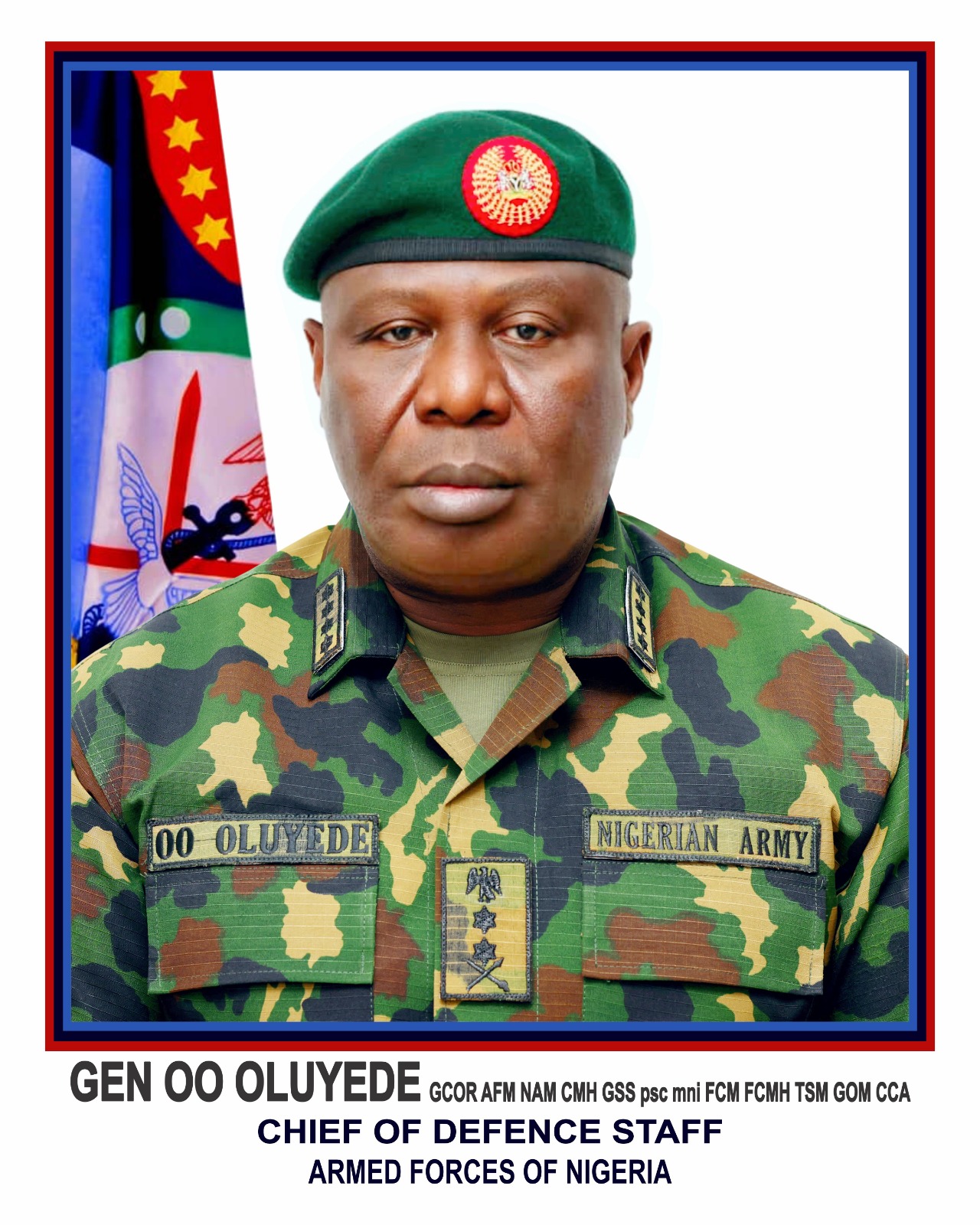
The Chief of Defence Staff, General Olufemi Olatunbosun Oluyede, commended troops for their courage, discipline and professionalism, describing their performance as a reflection of the Armed Forces’ commitment to safeguarding Nigeria’s territorial integrity.
Oluyede also appreciated the support of civilian communities, the Civilian Joint Task Force, local vigilante groups and other security agencies, saying their intelligence and cooperation contributed significantly to the operational successes.
He assured Nigerians that the military would sustain its offensive against all security threats until peace is fully restored across the country.
The Defence Headquarters urged members of the public to continue supporting military operations by providing credible intelligence through the nearest military formation or the toll-free emergency line, 193, assuring that all information received would be treated confidentially.
Beyond combat operations, the military highlighted several Civil-Military Cooperation initiatives carried out during the period to strengthen relations with host communities.
Among the projects was the distribution of 40 bags of fertiliser to farmers in Dutse Local Government Area of Jigawa State, while the Nigerian Air Force organised a Civilian Harm Mitigation and Response seminar to deepen compliance with International Humanitarian Law during air operations.
The military also participated in the Delta State Security Summit in Asaba, where stakeholders emphasised stronger collaboration between security agencies and citizens in tackling terrorism, kidnapping, cultism and cybercrime.
In the Niger Delta, Operation DELTA SAFE facilitated peace meetings between oil companies and host communities to resolve disputes over contracts, employment opportunities and community development obligations.
Similarly, the Nigerian Army commissioned a number of intervention projects, including a town hall in Etinan Local Government Area of Akwa Ibom State, a Primary Health Care Centre in Itu Local Government Area and an Emergency Paediatric Unit at the Yobe State Specialist Hospital in Potiskum.
The Defence Headquarters further disclosed that troops of Operation HADIN KAI continued to support humanitarian operations in the North-East by providing security escorts for relief materials distributed by the United Nations Office for the Coordination of Humanitarian Affairs, the World Food Programme and UNICEF to conflict-affected communities.
According to the military, the humanitarian and community development initiatives are designed to complement ongoing combat operations, build public trust and strengthen cooperation between the Armed Forces and local communities in the fight against insecurity.
